
THIGH STRAIN REHABILITATION
A Step-by-Step Thigh Strain Rehab Program by Elite Level Sports Physiotherapist Paul Tanner.

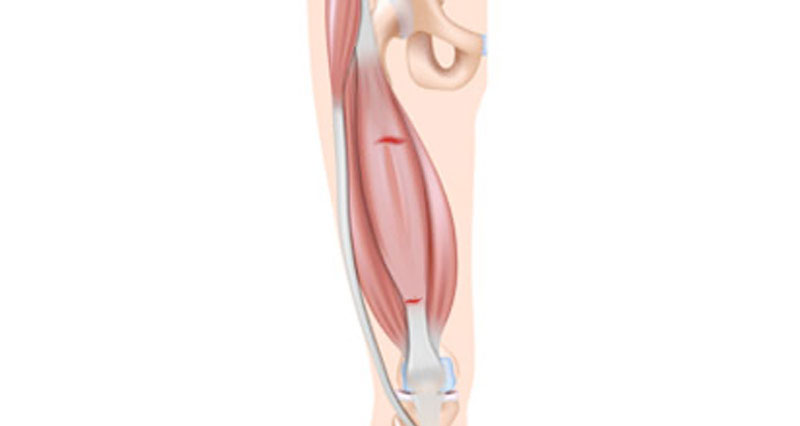
What is a Thigh Strain?
A thigh strain happens when one of the front thigh muscles — usually part of the quadriceps — is overstretched or torn. Pain is often sharp at first but can linger for weeks or months if not managed well.
If you’re dealing with recurring thigh pain, our rehab app can help. With a structured recovery program, it gives clear, step-by-step guidance — from early rehab exercises through full quadriceps strain rehabilitation — so you can return to sport with confidence.
Cure My Thigh Strain
Our step-by-step Thigh strain rehabilitation app is designed to fix it – for good!
Why Structured Rehabilitation Is Essential
Thigh strains (quadriceps strains) limit sprinting, kicking, and explosive movements, and they frequently recur if rehab is rushed. Our structured program restores eccentric strength, flexibility, and sport-specific power through phased progressions, with recovery monitored at every stage.
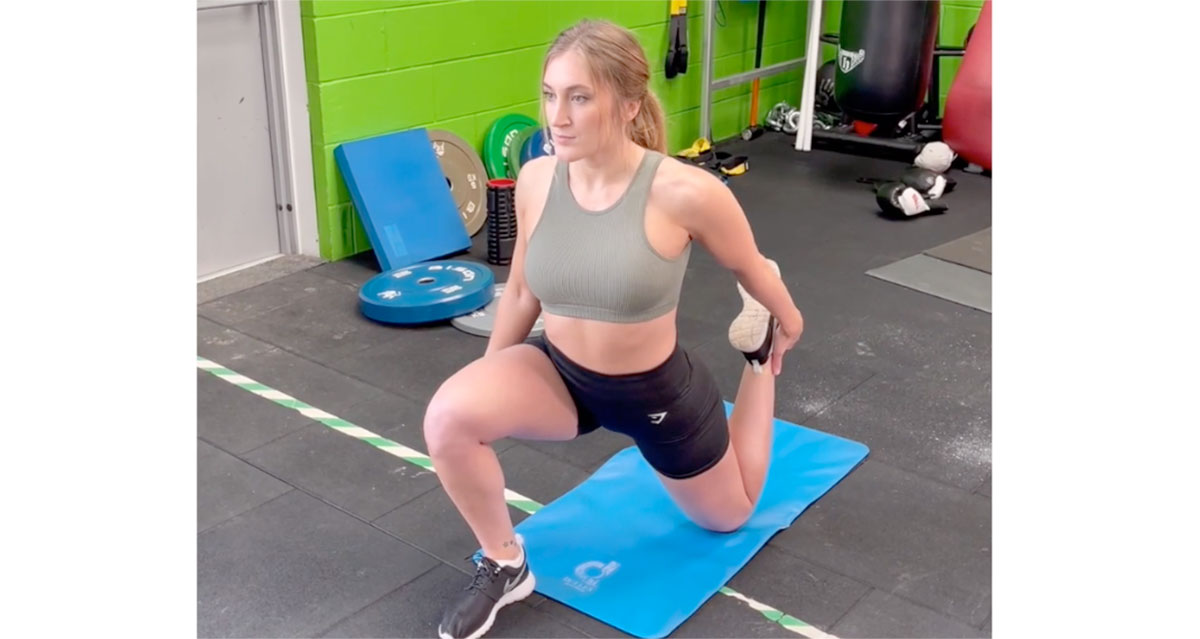
Is it suitable for me?
This rehabilitation program is suitable for anyone with a long-term or acute thigh strain. The program is based on what Paul would do with his elite players, but adapted for use by anyone. Whether you have suffered months of pain or only recently noticed it, our criteria-based program fits your symptoms.
To access the full program, view our subscription plans.
“Trusted by physiotherapists who have worked with Premier League players and England Rugby.”
Program Author
Paul Tanner
Paul is Head of Medical at Bristol City FC and has previously held senior roles at Millwall Football Club, providing comprehensive match-day and training-ground physiotherapy and medical support.
His career also includes positions as First Team Physiotherapist at Norwich City FC and Senior Physiotherapist with London Wasps Rugby, giving him extensive experience at the highest levels of professional sport.

How does the Thigh Strain Rehab Program work?
The program consists of 4 progressive phases, followed by a 5th phase dedicated to injury prevention and long-term maintenance. You only progress to the next phase once you’ve met the specific exit criteria, ensuring your recovery is both safe and effective.
Elite-level sports physiotherapist Paul Tanner introduces each phase through guided videos. The app provides daily instructions (“Today’s Tasks”) and tracks your progress, which can be reviewed later by you, your coach, or your physio. This program doesn’t just aim to heal your injury—it’s built to help you return stronger, more resilient, and ready for long-term performance.
Phase 1
The aim of phase 1 is to reduce pain and inflammation and allow the muscle to heal.
Phase 2
Here we continue to protect the area and begin strengthening exercises in order to improve the condition of the muscles.
Phase 3
During phase 3 we continue to increase quadriceps muscle strength and endurance with progressively more difficult exercises.
Phase 4
The aim of phase 4 is to increase muscle strength, introducing more advanced plyometric exercises ready for a return to full training.
Phase 5
This is the late rehabilitation phase where we carefully return you to the normal training.
What does the Thigh strain rehabilitation program include?
The program includes the following:
Treatment & healing
This covers how and when to apply treatment such as cold therapy & compression, heat, massage, taping & bracing.
Stretching & mobility
These aim to regain normal range of movement in the injured thigh muscle in particular. However, never stretch the quads in phase 1. We can work on the ankle, knee, and hips. These begin early in stage one with simple active ankle movements and gradually progress to more dynamic hip mobility drills.
Activation exercises
These exercises maintain the hip abductor muscles (outside of the hip). It is important these muscles keep firing and stay in good condition ready for the demands later in the program.
Strengthening exercises for Thigh strain rehab
Strengthening exercises maintain and improving specific muscle strength around your knee joint. They begin with simple isometric exercises and become increasingly more demanding, with heavier loads and unpredictable movements.
Movement control exercises
These are proprioception-type exercises, aimed at improving your balance, control, and spatial awareness. Again, they start with simple balance exercises and progress to advanced balance board movements.
Functional exercises for Thigh strain rehabilitation
Functional exercises bridge the gap between basic rehabilitation and sports-specific type drills. They begin with walking drills and progress through skipping-type sprint drills and agility training.
Got Questions? We’ve got answers.
How long does a thigh strain take to heal?
Mild (Grade 1) strains may recover in 1–2 weeks. However, moderate (Grade 2) injuries often take 3–6 weeks. Additionally, severe (Grade 3) tears may take 2–3 months. Recovery depends on the severity of the injury and completing rehabilitation.
What is the best treatment for a thigh strain?
Early care includes rest, ice, compression, and elevation. Recovery then focuses on stretching, strengthening, and sport-specific drills. The SportsRehab app provides a structured rehabilitation program with daily tasks and physiotherapist-led videos to guide you safely back to sport.
What causes a thigh strain?
Thigh strains often happen during sprinting, kicking, or explosive movements. They are more common when muscles are fatigued, tight, or not properly warmed up.
When can I play sport again after a thigh strain?
Return depends on the grade of injury. Mild strains may allow sport within 2 weeks, while more severe injuries can take months. Only return once you can sprint, kick, and change direction without pain.
Visit our full FAQ page for detailed answers about the programs and using sportsrehab.app