
CALF STRAIN REHABILITATION
A Step-by-Step Rehab Program by Elite Level Sports Physiotherapist Phil Pask.

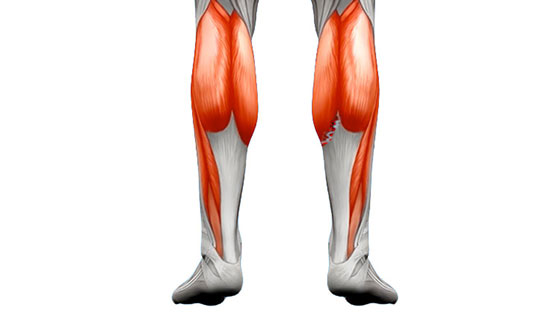
What is a Calf Strain?
Calf strains are common in runners, sprinters, and athletes who rely on explosive movements. Typical symptoms include sharp pain or tightness in the calf, especially when pushing off or accelerating. Swelling, bruising, and difficulty walking are also frequent in the early stages. Without structured rehabilitation, calf strains can persist, raise the risk of re-injury, and significantly delay a safe return to sport.
To access the full program, view our subscription plans.
Cure My Calf Strain
Our step-by-step rehabilitation app is designed to fix it – for good!
Why Structured Rehabilitation Is Essential
Rest alone is rarely enough to recover fully from a calf strain. Lasting rehabilitation requires controlled loading, progressive strengthening, and retraining of movement patterns. This program combines mobility, activation, strength, and movement control — all delivered through concise, guided video sessions. In addition, progression is criteria-based, so you only advance when your symptoms, strength, and control make it safe to do so.
Is it suitable for me?
This program is suitable for anyone recovering from a calf strain, whether it’s a recent tear or a recurring problem. It’s based on what elite sports physio Phil Pask uses with his professional athletes, adapted so anyone can follow it. The step-by-step calf strain rehab plan helps reduce pain, restore flexibility, and rebuild strength so you can return to sport, training, or everyday life with confidence.
“Trusted by physiotherapists who have worked with Premier League players and England Rugby.”
Program Author
Phil Pask
Phil is one of the world’s most experienced sports physiotherapists. He has worked with the England Senior Rugby Team since 1997, continuing in recent years as Consultant Physiotherapist.
Before that, he spent over 15 years at Northampton Saints as a player, physiotherapist, and Head of Performance, giving him unrivalled expertise at the very highest level of professional sport.

How does it work?
The program is divided into 4 progressive phases. You’ll only move forward once you’ve met the specific exit criteria, ensuring your recovery is safe, structured, and effective.
Each phase is introduced by Phil through guided videos, showing you exactly what to do each day. Your progress is tracked in the app and recorded for review by you, your coach, or your physio. This isn’t just recovery—it’s a pathway to coming back stronger than before.
Phase 1
Reduce pain, inflammation, and swelling while protecting the injured tissue. The focus is on gentle mobility and early activation to prevent stiffness and aid recovery.
Phase 2
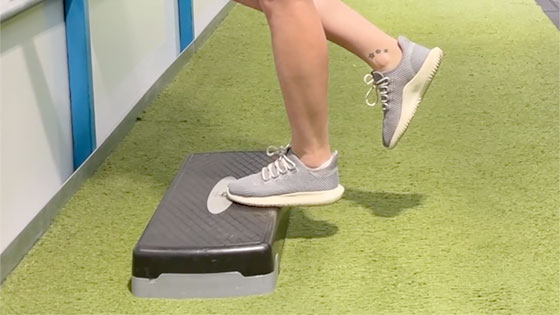
Safely progress to functional loading. This phase includes progressive calf loading and restoring movement in the ankle, knee, and hip—building the foundation for stronger activity without risking re-injury.
Phase 3
Develop strength and resilience in the calf muscles, introducing controlled dynamic and more explosive movements to prepare for sport-specific activity.
Phase 4
Return-to-sport phase. The focus here is on higher-load, unpredictable sport-specific drills, ensuring you’re fully prepared to perform with confidence and reduced risk of re-injury.
What’s included?
The program includes the following:
Treatment & healing
This covers how and when to apply treatment such as cold therapy & compression, heat, massage, taping & bracing.
Stretching & mobility
These aim to maintain a normal range of movement in the ankle, knee, and hips. They begin early in stage one with simple active ankle movements and gradually progress to more dynamic hip mobility drills.
Activation exercises
These exercises maintain the hip abductor muscles (outside of the hip). It is important these muscles keep firing and stay in good condition ready for the demands later in the program.
Strengthening exercises
These exercises maintain and improving specific muscle strength around your knee joint. They begin with simple isometric exercises and become increasingly more demanding, with heavier loads and unpredictable movements.
Movement control exercises
These are proprioception-type exercises, aimed at improving your balance, control, and spatial awareness. Again, they start with simple balance exercises and progress to advanced balance board movements.
Functional exercises
Functional exercises bridge the gap between basic rehabilitation and sports-specific type drills. They begin with walking drills and progress through skipping-type sprint drills and agility training.
Got Questions? We’ve got answers.
How long does a calf strain take to heal?
Mild calf strains may recover in 1–2 weeks, while more severe tears can take 4–8 weeks. Rehab helps restore strength and reduce the risk of re-injury.
Can you walk with a calf strain?
Often yes, but walking may be painful or feel tight. Severe strains can make walking difficult. Gradual loading and mobility work support safe recovery.
What is the best treatment for a calf strain?
Early treatment often includes rest, ice, and compression. Once pain eases, progressive strengthening and stretching are key for a full return to sport.
Why do calf strains keep coming back?
Recurrent calf injuries are common if strength, flexibility, and movement control aren’t fully restored. Structured rehab reduces the risk of repeated setbacks.
Visit our full FAQ page for detailed answers about the programs and using sportsrehab.app