
OSGOOD SCHLATTER REHABILITATION
A Step-by-Step Rehab Program by Elite Level Sports Physiotherapist Paul Tanner.

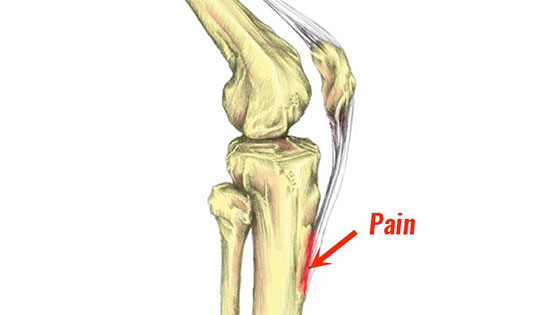
What is Osgood-Schlatter Disease?
Osgood-Schlatter disease is a common cause of knee pain in young athletes, usually aged 10 to 15. It occurs when the tendon below the kneecap pulls on the growth plate at the top of the shinbone. This causes pain and swelling. Symptoms often flare during running, jumping, or sports but may ease with rest. Our structured rehab program helps manage pain, build strength, and keep you active with confidence.
Cure My Osgood Schlatter Disease
Our step-by-step rehabilitation app is designed to fix it – for good!
Why Structured Rehabilitation Is Essential
Osgood-Schlatter disease causes pain just below the kneecap, especially during sports. Recovery requires careful load management while building strength, flexibility, and movement control. Our program delivers progressive exercises tailored to this condition, with progress tracked at every stage.
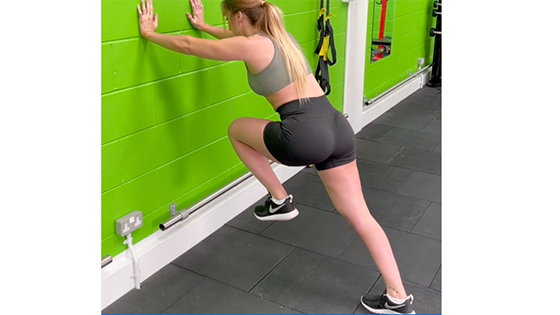
Is it suitable for me?
This program is designed for anyone dealing with Osgood-Schlatter disease, whether your pain is recent or has been troubling you for months. Using structured, step-by-step rehab methods helps reduce pain, improve strength, and guide you back to full fitness. Suitable for both beginner and elite-level athletes.
To access the full program, view our subscription plans.
Program Author
Paul Tanner
Paul is Head of Medical at Bristol City FC and has previously held senior roles at Millwall Football Club, providing comprehensive match-day and training-ground physiotherapy and medical support.
His career also includes positions as First Team Physiotherapist at Norwich City FC and Senior Physiotherapist with London Wasps Rugby, giving him extensive experience at the highest levels of professional sport.

How does it work?
The program consists of 4 progressive phases, followed by a 5th phase dedicated to injury prevention and long-term maintenance. You only progress to the next phase once you’ve met the specific exit criteria, ensuring your recovery is both safe and effective.
Elite-level sports physiotherapist Paul Tanner introduces each phase through guided videos. The app provides daily instructions (“Today’s Tasks”) and tracks your progress, which can be reviewed later by you, your coach, or your physio. This program doesn’t just aim to heal your injury—it’s built to help you return stronger, more resilient, and ready for long-term performance.
Phase 1
Phase 1 begins as soon as possible following the onset of symptoms. The plan is designed to decrease pain, improve strength and flexibility and improve knee control.
Phase 2
This phase is the isotonic phase, where we aim to load your knee more with exercises involving movement.
Phase 3
The aim of phase 3 is to further increase the load through the knee and begin to introduce plyometric exercises while increasing the running load if applicable.
Phase 4
Maintain strength and go from double to single-leg plyometrics.
Phase 5
Phase 5 is the maintenance or ‘injury mitigation’ phase. It is designed to help prevent your injury from returning. You select exercises from phases 3 and 4 to integrate as part of your normal training routine.
What’s included?
The program consists of treatment and healing, stretching & mobility, strengthening, activation, movement control and functional exercises, as well as cardiovascular workouts to maintain fitness whilst you recover.
Treatment & Healing
This covers how and when to apply treatment such as cold therapy & compression, heat, massage, and taping.
Exercises
Over 60 different exercises with video demonstrations covering mobility & stretching, activation, strengthening, motion control/proprioception, and functional.
Priority support
If you have any questions about the program or your progress, then use in-app support to get in touch with our qualified sports therapist for advice.
Got Questions? We’ve got answers.
How long does Osgood–Schlatter disease take to heal?
Symptoms can last for several months and often flare during growth spurts. Most cases resolve once growth is complete, usually by age 14 in girls and 16 in boys. A structured rehabilitation program helps manage pain and keep young athletes active until full recovery.
What is the best treatment for Osgood–Schlatter disease?
Treatment aims to reduce pain while keeping activity safe. Key strategies are adjusting training loads, using ice after exercise, stretching the quadriceps and hamstrings, and strengthening the thigh and hip muscles. Protective knee supports may also help. The SportsRehab app provides a structured rehabilitation program with daily tasks and physiotherapist-led videos.
What causes Osgood–Schlatter disease?
It is caused by repeated pulling of the patellar tendon at its attachment on the shinbone during growth. When bones lengthen faster than muscles and tendons can adapt, stress builds at the tibial tuberosity. Running and jumping sports such as football, basketball, and athletics increase the risk.
Can you play sport with Osgood–Schlatter disease?
If pain is mild, many young athletes can continue with modified training. However, if pain is severe or causes limping, rest is recommended. Rehabilitation that builds strength and flexibility helps reduce pain and allows a safer return to sport.
Does Osgood–Schlatter disease cause long-term problems?
Most cases resolve completely when growth ends. Some people are left with a painless bony bump below the knee, but long-term pain or disability is rare if rehabilitation is followed.
Visit our full FAQ page for detailed answers about the programs and using sportsrehab.app