
PATELLOFEMORAL PAIN REHABILITATION
A Step-by-Step Rehab Program by Elite Level Sports Physiotherapist Paul Tanner.

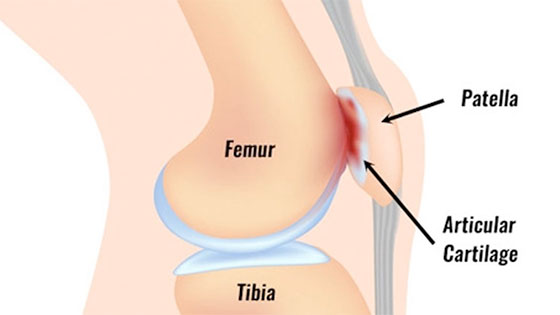
What is Patellofemoral Pain?
Patellofemoral Pain Syndrome (PFPS), also known as Runner’s Knee, is pain at the front of the knee caused by the kneecap rubbing against the femur. It can make running, squatting, or climbing stairs uncomfortable. Without proper rehab, symptoms often linger or return. Our step-by-step program helps you manage pain, build strength, and get back to sport with confidence.
Cure My Patellofemoral Pain
Our step-by-step rehabilitation app is designed to fix it – for good!
Why Structured Rehabilitation Is Essential
Patellofemoral pain, or runner’s knee, causes discomfort at the front of the knee, often aggravated by running, climbing stairs, or prolonged sitting. Recovery requires restoring hip and knee control, improving movement quality, and building load tolerance. Our program delivers progressive exercises to reduce pain and restore function, with progress tracked at every stage.
Is it suitable for me?
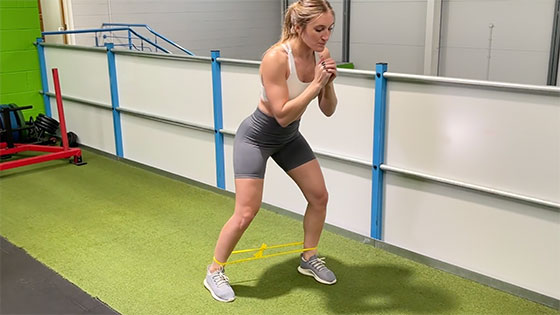
This program is designed for anyone with patellofemoral pain, also known as runner’s knee. Whether your injury is new or ongoing, our criteria-based approach adapts to your stage of recovery — making it safe and effective for athletes at every level.
To access the full program, view our subscription plans.
Program Author
Paul Tanner
Paul is Head of Medical at Bristol City FC and has previously held senior roles at Millwall Football Club, providing comprehensive match-day and training-ground physiotherapy and medical support.
His career also includes positions as First Team Physiotherapist at Norwich City FC and Senior Physiotherapist with London Wasps Rugby, giving him extensive experience at the highest levels of professional sport.

How does it work?
The app tells you exactly what to do each day (Today’s Tasks) and records your progress, which can be reviewed later by you or your coach/physio. Paul guides you through the program with a series of videos explaining each phase, including the exercises and treatment methods involved.
The program is criteria-based, not time-based. You progress through the phases, only moving on to the next phase when you have reached specific exit criteria.
Phase 1
Phase 1 begins as soon as symptoms appear. The plan aims to decrease pain, enhance strength and flexibility, and improve knee control.
Phase 2
This phase is the isotonic phase, where we aim to load your knee more with exercises involving movement.
Phase 3
The aim of phase 3 is to further increase the load through the knee and begin to introduce plyometric exercises while increasing the running load if applicable.
Phase 4
Maintain strength and go from double to single-leg plyometrics.
Phase 5
Replicate the training demands of your sport.
What’s included?
The program consists of treatment and healing, stretching & mobility, strengthening, activation, movement control and functional exercises, as well as cardiovascular workouts to maintain fitness whilst you recover.
Treatment & Healing
This covers how and when to apply treatment such as cold therapy & compression, heat, massage, and taping.
Exercises
Over 60 different exercises with video demonstrations covering mobility & stretching, activation, strengthening, motion control/proprioception, and functional.
Priority support
If you have any questions about the program or your progress then use in-app support to get in touch with our qualified sports therapist for advice.
Got Questions? We’ve got answers.
How long does patellofemoral pain take to heal?
Mild cases can recover within 4–6 weeks. More persistent pain may last 3–6 months or longer. Full recovery depends on strengthening the quadriceps and hip muscles, correcting movement patterns, and following a structured rehabilitation program.
What is the best treatment for patellofemoral pain syndrome?
Treatment focuses on strengthening the quadriceps, glutes, and hips, improving biomechanics, and reducing activities that aggravate the knee. The SportsRehab app provides a step-by-step rehabilitation program with daily tasks and physiotherapist-led videos to guide recovery.
What causes patellofemoral pain syndrome?
It is caused by improper tracking of the kneecap over the femur. Risk factors include weak quadriceps or hip muscles, poor foot biomechanics, training overload, and sudden increases in activity.
Can you run with patellofemoral pain syndrome?
Running should be avoided if it causes pain, as it often aggravates symptoms. Continuing may delay recovery. Safer alternatives include cycling or swimming until strength and control improve. A structured strengthening program is essential before returning to running.
Does patellofemoral pain syndrome go away?
Yes, most cases resolve with proper rehabilitation. Ignoring symptoms or failing to address underlying causes increases the risk of long-term knee pain.
Visit our full FAQ page for detailed answers about the programs and using sportsrehab.app