
PROXIMAL HAMSTRING TENDONITIS REHABILITATION
A Step-by-Step Rehab Program by Elite Level Sports Physiotherapist Paul Tanner.

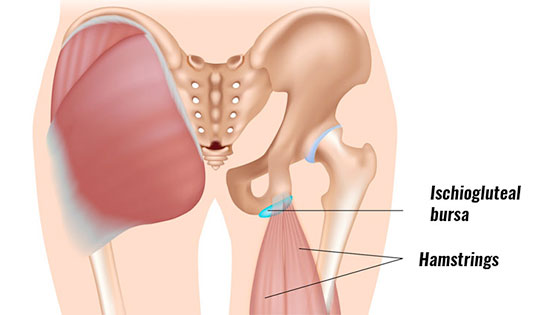
What is Proximal Hamstring Tendonitis?
Proximal Hamstring Tendinopathy, also called Hamstring Tendonitis, is an overuse injury that causes pain at the top of the hamstring, just below the glutes. It’s common in runners, footballers, and athletes who sprint or kick often. This injury can be stubborn, with pain that lingers or returns when you restart training. Our rehab app provides a structured recovery plan for hamstring tendonitis — guiding you step by step to rebuild strength and return to sport with confidence.
Cure My Proximal Hamstring Tendonitis
Our step-by-step rehabilitation app is designed to fix it – for good!
Why Structured Rehabilitation Is Essential
Proximal hamstring tendonitis often causes deep buttock pain, made worse by sitting, sprinting, or kicking. Rest alone rarely fixes it. To recover, the tendon must gradually rebuild its capacity under controlled loading. Our program strengthens the hamstrings, restores hip stability, and improves running tolerance through phased exercises, with progress monitored at every stage.
Is it suitable for me?
This program is designed to treat both acute and long-term Proximal Hamstring Tendonitis. Whether your injury is recent or has persisted for months, we guide you step by step from pain to full fitness. It’s suitable for all levels — from beginners to elite athletes — with each phase tailored to your symptoms and readiness to progress.
To access the full program, view our subscription plans.
“Trusted by physiotherapists who have worked with Premier League players and England Rugby.”
Program Author
Paul Tanner
Paul is Head of Medical at Bristol City FC and has previously held senior roles at Millwall Football Club, providing comprehensive match-day and training-ground physiotherapy and medical support.
His career also includes positions as First Team Physiotherapist at Norwich City FC and Senior Physiotherapist with London Wasps Rugby, giving him extensive experience at the highest levels of professional sport.

How does it work?
The program has 4 phases. You move to the next phase only after meeting specific exit criteria. Paul introduces each phase and guides you through it with a series of videos.
Elite-level sports physiotherapist Paul Tanner introduces each phase through guided videos. The app provides daily instructions (“Today’s Tasks”) and tracks your progress, which can be reviewed later by you, your coach, or your physio. This program doesn’t just aim to heal your injury—it’s built to help you return stronger, more resilient, and ready for long-term performance.
Phase 1
Phase 1 begins as soon as possible following the injury. The aim of phase 1 is to reduce pain and inflammation.
Phase 2
The aim of phase 2 is to gradually increase the load through your hamstring and introduce strengthening exercises which involve movement.
Phase 3
The aim of phase 3 is to further increase the load through the tendon in an increased range.
Phase 4
Phase 4 aims to increase tendon load through eccentric exercises and introduce the hamstring to more explosive activities.
What’s included?
The program includes the following elements:
Treatment & healing
This covers how and when to apply treatment such as cold therapy & compression, heat, massage, and taping.
Exercises
Over 60 different exercises with video demonstrations covering mobility & stretching, activation, strengthening, motion control/proprioception, and functional or activity-specific exercises and running progressions.
Priority support
If you have any questions about the program or your progress, then use in-app support to get in touch with our qualified sports therapist for advice.
Got Questions? We’ve got answers.
How long does proximal hamstring tendonitis take to heal?
Recovery can take several months. Mild cases may improve in 8–12 weeks, while stubborn or chronic tendon pain may last 6 months or longer. A structured rehabilitation program helps speed recovery and prevent recurrence.
What is the best treatment for proximal hamstring tendonitis?
Initial care includes reducing painful activities and avoiding prolonged sitting. Long-term treatment focuses on progressive strengthening and load management. The SportsRehab app provides a step-by-step rehabilitation program with daily guidance and physiotherapist-led videos to support safe recovery.
What causes proximal hamstring tendonitis?
It usually develops from repetitive overload at the hamstring origin near the sit bone. Long-distance running, sprinting, and prolonged sitting on hard surfaces are common triggers. Weak glutes or sudden increases in training can also contribute.
Why does proximal hamstring tendonitis hurt when sitting?
Because the hamstring tendon attaches at the sitting bone (ischial tuberosity), pressure from sitting irritates the area and increases pain. Using cushions and changing positions can help reduce symptoms during recovery.
Can you run with proximal hamstring tendonitis?
Running through pain often makes the condition worse. Returning too early risks turning it into a long-term problem. A progressive rehabilitation program helps you build strength and tolerance before safely resuming running.
Visit our full FAQ page for detailed answers about the programs and using sportsrehab.app