
Running injuries are incredibly common with research showing that up to 50% of runners get injured each year. Most of these injuries aren’t freak accidents but come from strength deficits, poor load tolerance, and muscle imbalances that build up over time.
The good news? There’s strong evidence that specific strength exercises can dramatically reduce injury risk. This article breaks down the best exercises for runners, based entirely on what the data supports — not myths, guesswork, or trends.
Why Strength Training Prevents Running Injuries
Multiple studies show strength training reduces sports injuries by up to 50%. Weakness in the glutes, calves, and hamstrings in particular is strongly linked to:
- Shin splints
- Knee pain (including patellofemoral pain)
- IT band syndrome
- Plantar fasciitis
- Achilles problems
Running is a single-leg sport. Therefore, 80% of running involves bodyweight on one leg at a time. Therefore, targeting single-leg strengthening exercises is essential.
The Best Evidence-Based Exercises for Runners
The following strengthening exercises are widely supported in research for improving running mechanics, tissue tolerance, and injury resilience.
Single-Leg Squats (or Sit-to-Stand)
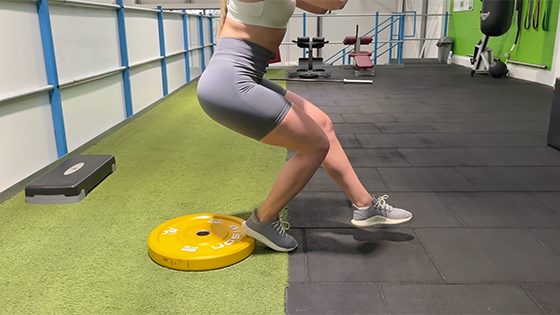
Why it works: Strengthens quads, glutes, hip stabilisers, and improves single-leg control — crucial for knee stability.
Evidence: Poor single-leg squat control is strongly associated with patellofemoral pain and running-related knee injury.
How to do it: Stand on one leg. Sit back slowly towards a chair. Stand back up with control. Aim for 10 to 15 controlled reps each side.
Glute Med Strengthening (Clam exercise)
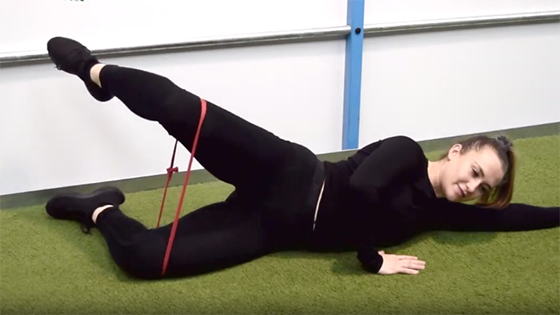
Why it works: The glute med keeps your pelvis level when running. Weakness leads to hip drop and increased knee stress.
Evidence: A review of runners with knee pain found consistently reduced glute med strength and significant improvement when strengthened.
How to do it: Use a resistance band around your ankles or knees. Lie on your side and lift the knee up. Goal: 2 to 3 sets of 12 to 20 steps each direction.
Calf Raises (Straight-Knee and Bent-Knee Variations)
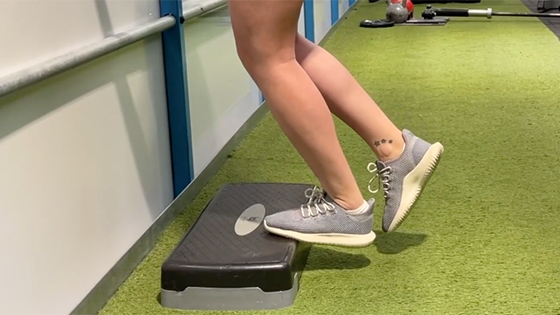
Why it works: Your calves handle up to 6–8× bodyweight on every stride. Strong calves reduce Achilles, plantar fascia, and shin stress.
Evidence: Calf weakness is linked to Achilles tendinopathy and increased lower-leg injury risk.
How to do it: Rise onto toes slowly (both straight and bent-knee). Progress to single-leg. Goal: 20–25 reps, progressing to heavy resistance.
Hamstring Eccentrics (Nordics or Slow Single-Leg Deadlifts)
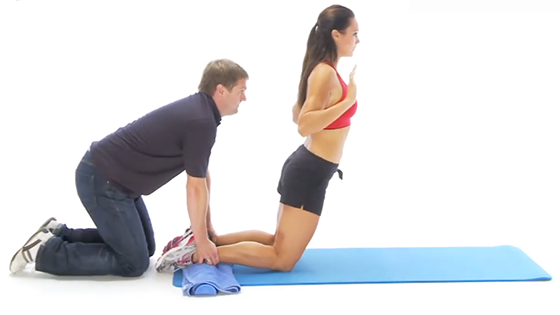
Why it works: Eccentric hamstring strength protects against strains and improves hip stability.
Evidence: Eccentric training reduces hamstring injuries by up to 50–70% in athletes.
How to do it: Get someone to hold your ankle and slowly lean forwards using your hamstrings to resist. Goal: 8–12 reps each side.
Hip Thrusts / Glute Bridges
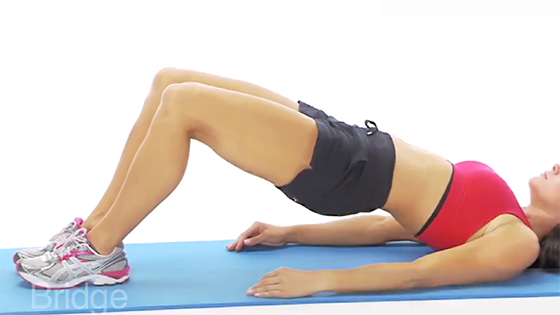
Why it works: Builds glute max strength, improving propulsion and reducing overload on the lower back and hamstrings.
Evidence: Glute max weakness is linked to altered running mechanics and compensatory knee stress.
Core Stability (Dead Bugs or Planks with Leg Lift)
Why it works: A stable trunk keeps your pelvis controlled and reduces rotational forces through the hips and knees.
Evidence: Studies show runners with knee pain often have reduced trunk control.
Step-Ups or Step-Downs
Why it works: Highly functional single-leg strength that mimics running mechanics.
Evidence: Often used in rehab for patellofemoral pain and IT band syndrome due to effectiveness in improving knee control.
How Often Should Runners Do Strength Training?
The evidence is clear: 2 to 3 sessions per week of 20 to 30 minutes each. Focus on progressive overload by gradually increasing weight or reps. Strength training shouldn’t make you sore for days, it should make you more resilient.
What Runners Should Avoid
Research suggests avoiding:
- Too many miles too quickly — 20–30% of injuries come from sudden training spikes
- Only running and no strength work
- Ignoring early pain — most injuries start as a mild ache
- Weak glutes + high mileage — a predictable recipe for knee issues
The Science Is Clear
Strength training is one of the strongest protective tools runners have. With just a few targeted exercises each week, you can:
- Reduce injury risk.
- Improve running economy.
- Increase speed and power.
- Build long-term durability.
Sponsored links
- Buy High Viz Running Gear at 1000Mile.co.uk
- Buy Womens Gym Leggings at Inclusiveinc.co.uk
